3 free trial classes · One-to-one on Zoom
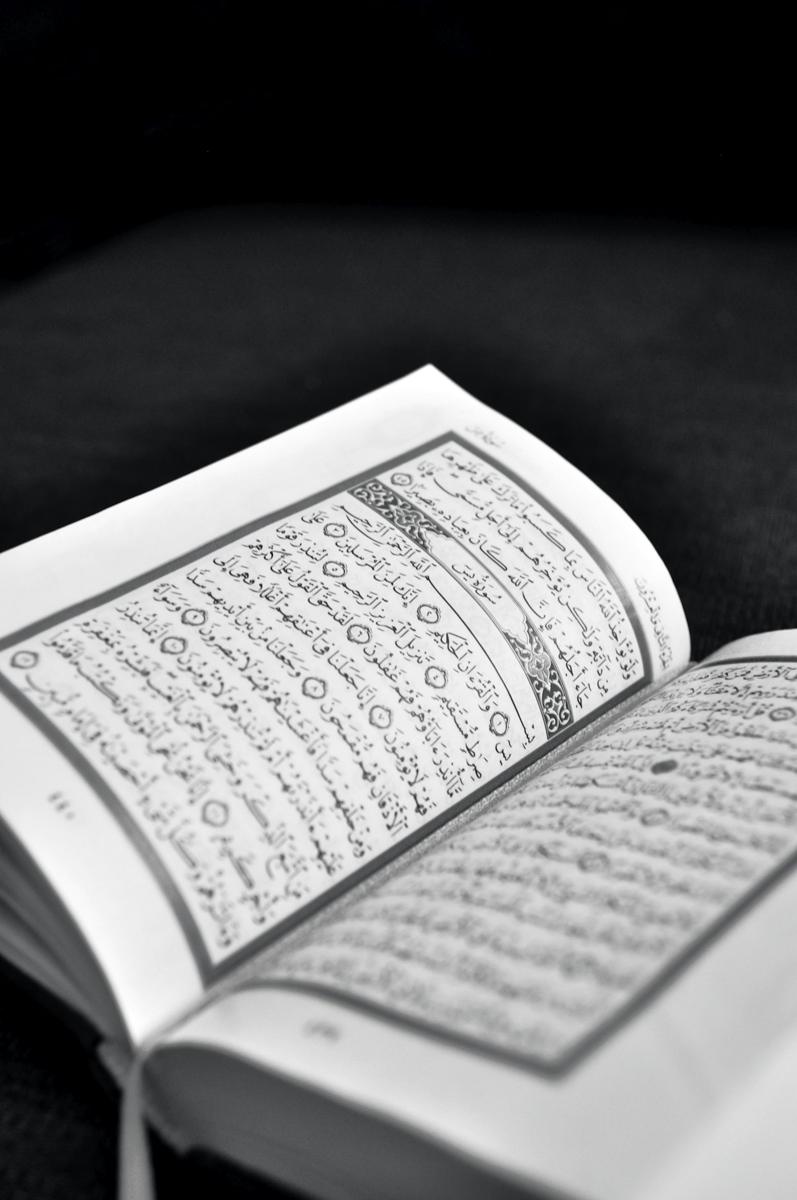
Noorani Qaida is a beginner's primer for learning to read Arabic as it is written in the Quran. Many children and adults start with it before they read the Quran itself.
This guide explains what it is, what it teaches, and how to know when to start.
"Qaida" (also spelled qaidah or qaeda) means a rule or foundation. "Noorani" comes from the Arabic word for light. In practice, Noorani Qaida means the foundational reading book used to begin Quran reading. You may also see it spelled "Nooraniyah" or "Norani."
It is commonly attributed to Noor Muhammad Haqqani. Several versions and editions exist.
Exact lesson order can vary between editions, but in general it builds step by step:
The goal is to reach the point where you can start reading the Quran with a teacher's help.
No. It is a learning tool that prepares you to read. It does not replace studying the Quran.
There is no single age. Many children are ready when they can focus for a short lesson and recognize shapes and sounds. If you are unsure, ask a teacher.
Yes. Many adults start here. It can feel strange at first, but small daily practice helps.
You can study from a book, but a teacher helps because Arabic sounds are hard to judge on your own. A teacher can correct a mistake right away and prevent habits that are hard to change later.
Many people search for PDFs and videos. They can be useful for practice, but they do not correct your pronunciation. If you use one, make sure you are using a reliable edition, and practice with a teacher where you can.
It depends on the student, how often they practice, and how many classes they take. There is no fixed time.
After the basics, students move on to reading the Quran. Later, they may study Tajweed or begin Hifz.
We teach Noorani Qaida in one-to-one online classes for children and adults. Classes are 30 minutes, and you can try 3 free trial classes. See our Noorani Qaida course or book a free trial.